

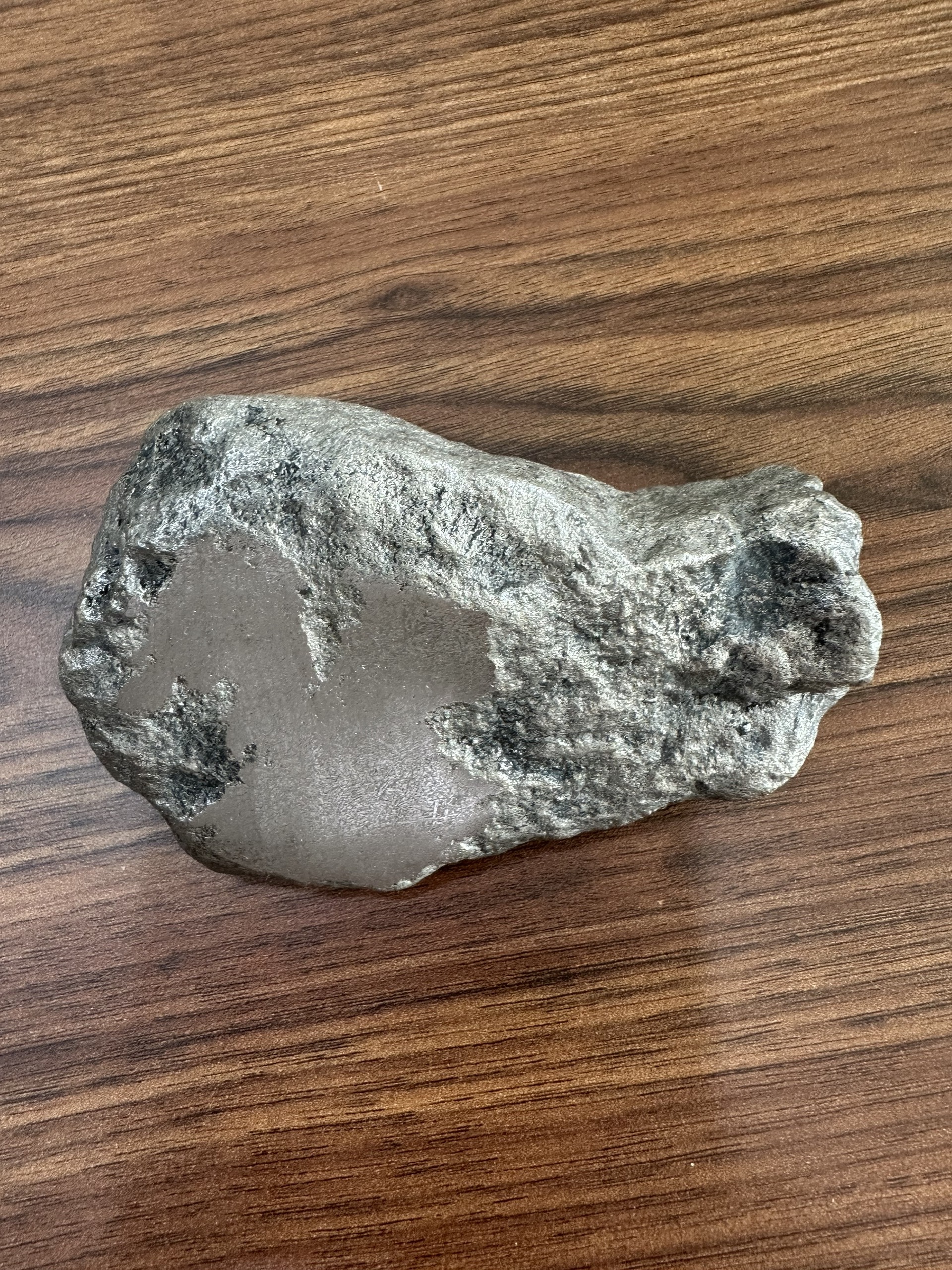
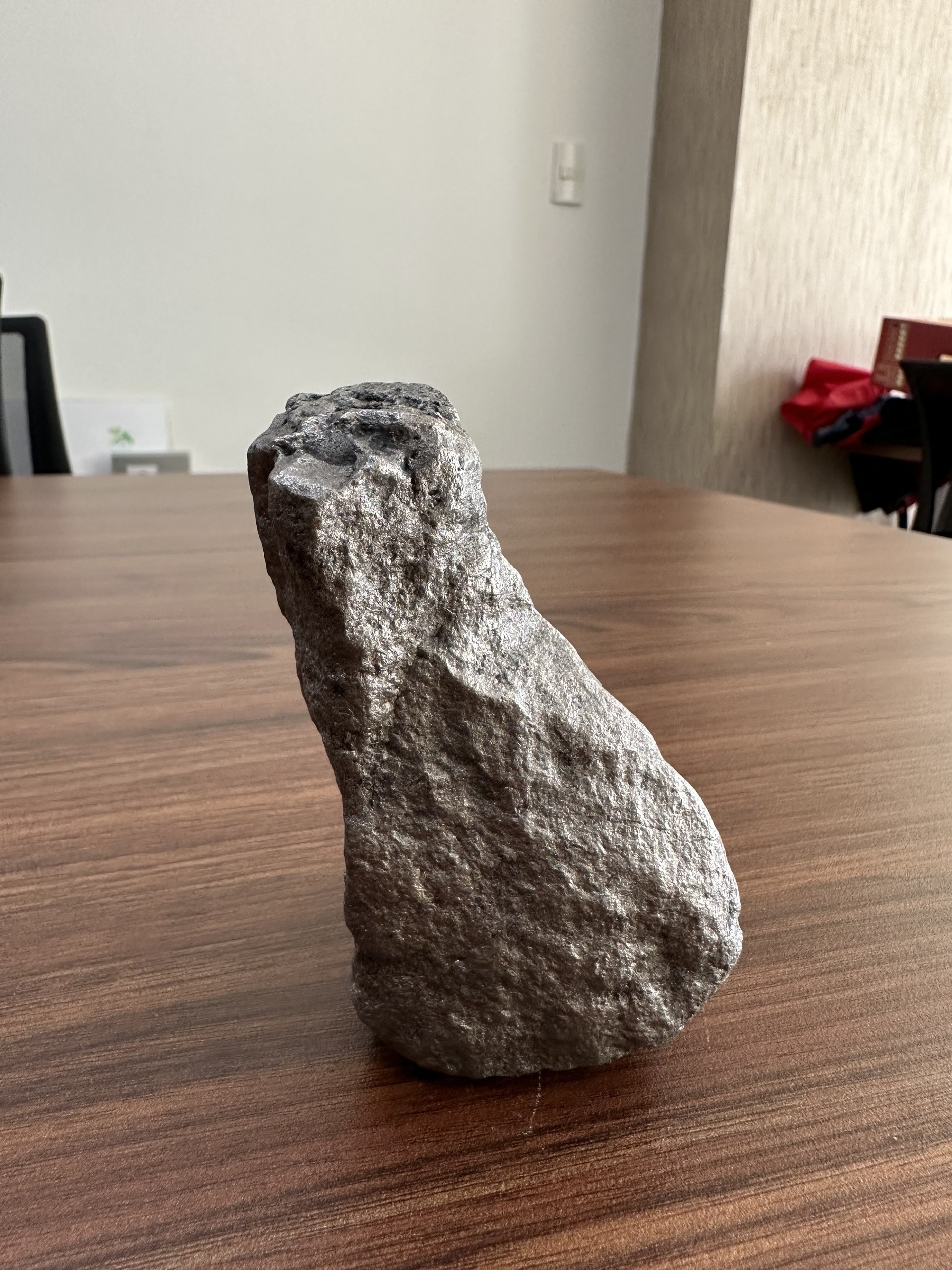
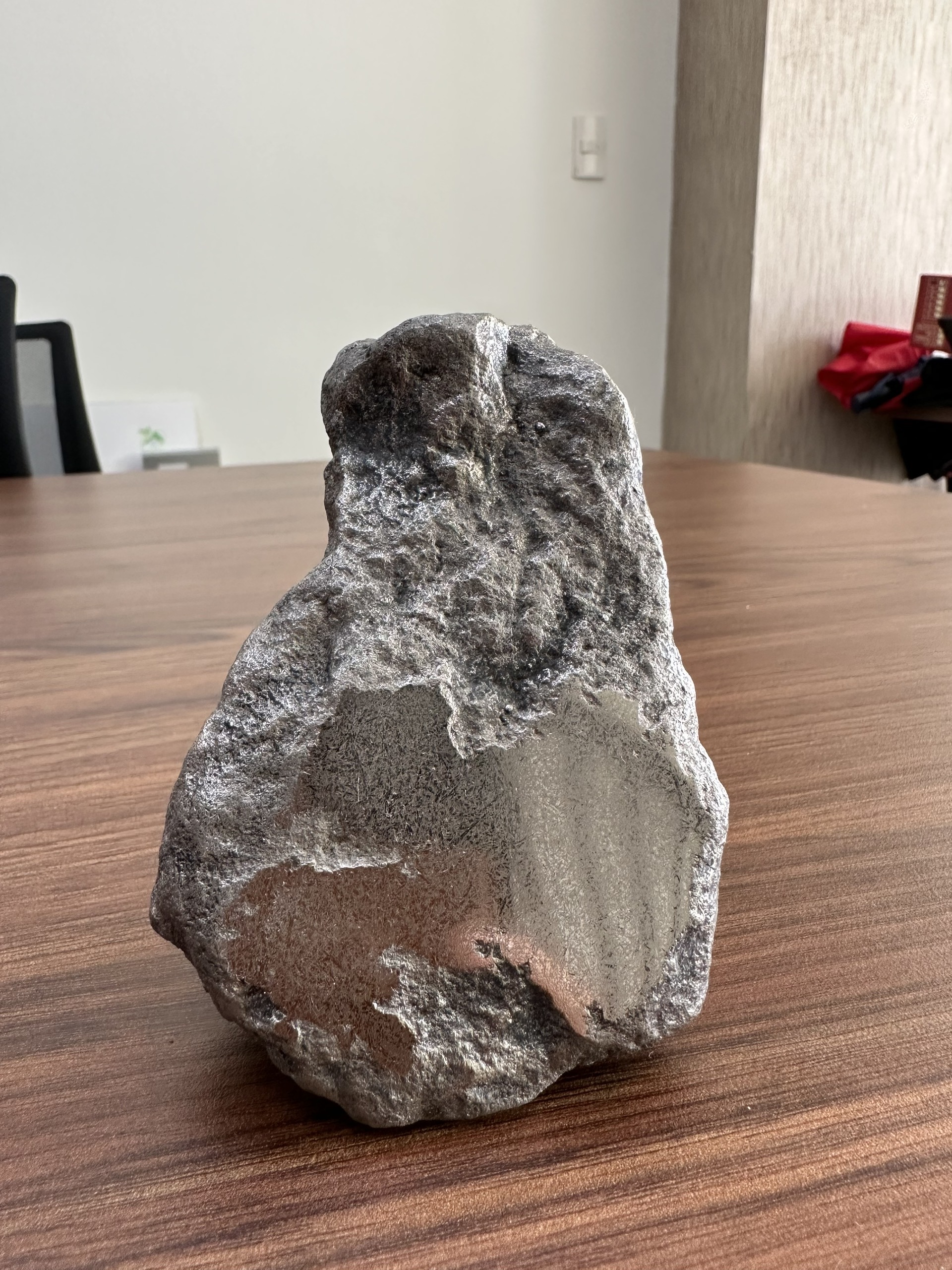
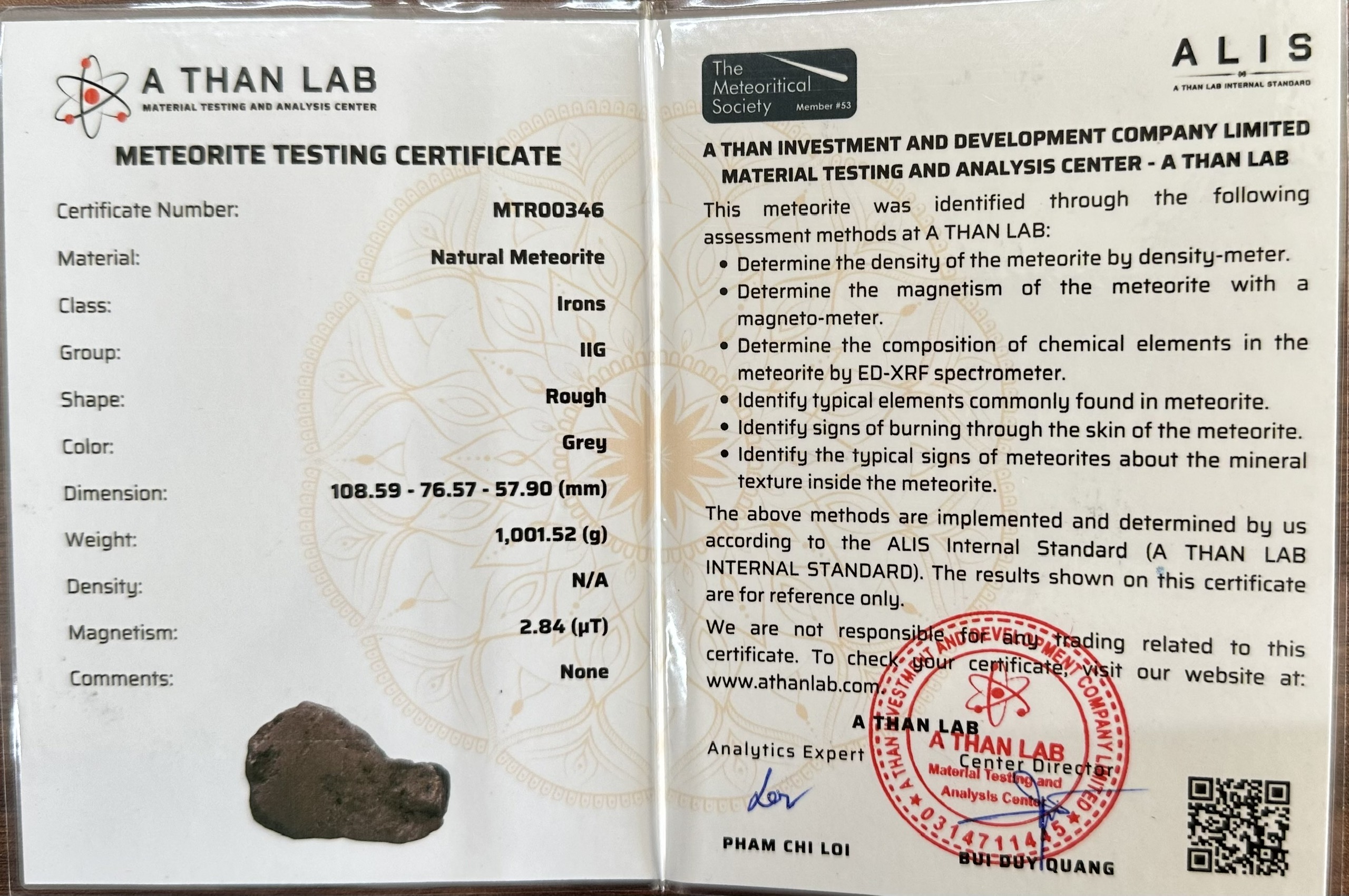
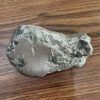
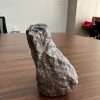
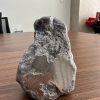
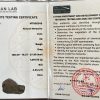
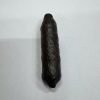
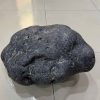
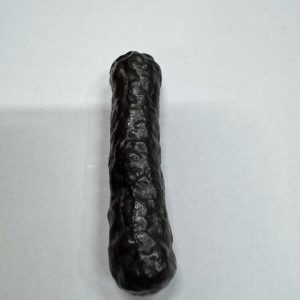
Collectibles-Iron Mete IIG -1,001.52g
1,303,614,000 ₫$ 52,144.56
VND
Vietnamese đồng
Iron Mete IIG, weighing 1,001.52g, is considered the largest known iron IIG meteorite to date. It is a particularly rare group of iron meteorites, primarily composed of an iron-nickel alloy (kamacite) and containing a large amount of schreibersite mineral, originating from the fission of a larger parent object, along with the IIAB group of meteorites.
Key Characteristics:
- Composition: Primarily iron-nickel (kamacite) and abundant schreibersite minerals.
- Structure: Hexahedrite meteorite.
- Origin: Formed from the fission of metallic magma, sharing the same origin as the IIAB group.
- Number: Approximately 6 members currently exist in this group.
Iron Mete IIG is a specific chemical group of iron meteorites, known for its unusually low nickel content and high phosphorus content. They are believed to originate from the outer core of a once-melted and disintegrated asteroid.
Key Characteristics of Iron Mete IIG:
Structural Classification: Meteorites in the IIG group are typically hexahedrites (hexagonal structures) or the coarsest octahedrites.
Chemical Composition:
- Low Nickel (Ni) Content: Nickel concentrations range from 4.1% to 4.9%, consisting only of the mineral kamacite.
- Very High Phosphorus (P) Content: This is the most phosphorus-rich group of iron meteorites, with total phosphorus content ranging from 17–21 mg/g. Phosphorus exists as large, coarse schreibersite crystals, often occupying up to 15% of the surface when acid-etched.
- Extremely low sulfur (S) content: Sulfur concentrations are very low, ranging from 0.2 to 2 mg/g.
Origin: Isotope studies suggest that groups IIG and IIAB may share a common parent body, with IIG forming from phosphorus-rich liquid during the late crystallization phase in the core of that body.
This group is quite small, comprising only five known members to date, including well-known meteorites such as Bellsbank, La Primitiva, Tombigbee River, Twannberg, and Guanaco.
Related products
Collectibles
13,350,500,000 ₫$ 534,020.00
Collectibles
Original price was: 500,000 ₫.250,000 ₫Current price is: 250,000 ₫.$ 10.00
Collectibles
Original price was: 832,000 ₫.450,000 ₫Current price is: 450,000 ₫.$ 18.00
Collectibles
8,810,000,000 ₫$ 352,400.00
Collectibles
Original price was: 1,014,000 ₫.600,000 ₫Current price is: 600,000 ₫.$ 24.00
Collectibles
Original price was: 750,000 ₫.500,000 ₫Current price is: 500,000 ₫.$ 20.00
Collectibles
650,000 ₫$ 26.00